Riding a bicycle can save the world

Published Apr 26 2006 by New WestArchived May 1 2006
Riding a bicycle can save the world
by Dana Green
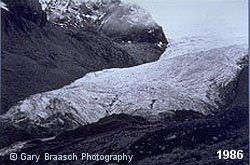
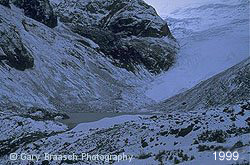
Killer storms. Glaciers melting. A rapidly disappearing snowpack.
The signs of global warming are here, and they aren’t pretty. With the U.S. spewing 6 billion tons of carbon dioxide into the air last year – one-quarter of the world total – a global meltdown, Day After Tomorrow-style, doesn’t seem farfetched anymore.
 But getting on a bicycle saving the planet? Call me a skeptic, but I wasn’t buying it. Jim Sayer, Director of Adventure Cycling, a national bike advocacy group headquartered here in Missoula, was giving a lecture during Bike Walk Bus Week claiming bike travel could save humanity from its own excesses. So I hopped on my cruiser, with its cute little basket, and biked over.
I left convinced that, if I would only drop my car keys in the toilet and flush, a revolution would sweep the globe. One person at a time. With happy, smiling people across the planet riding bicycles everywhere.
Riding a bicycle can save the world
by Dana Green
Killer storms. Glaciers melting. A rapidly disappearing snowpack.
The signs of global warming are here, and they aren’t pretty. With the U.S. spewing 6 billion tons of carbon dioxide into the air last year – one-quarter of the world total – a global meltdown, Day After Tomorrow-style, doesn’t seem farfetched anymore.
 But getting on a bicycle saving the planet? Call me a skeptic, but I wasn’t buying it. Jim Sayer, Director of Adventure Cycling, a national bike advocacy group headquartered here in Missoula, was giving a lecture during Bike Walk Bus Week claiming bike travel could save humanity from its own excesses. So I hopped on my cruiser, with its cute little basket, and biked over.
I left convinced that, if I would only drop my car keys in the toilet and flush, a revolution would sweep the globe. One person at a time. With happy, smiling people across the planet riding bicycles everywhere.
Vive la revolution!
 Okay, first we start with the problem –a virtual carbonfest in the Earth’s atmosphere. Right here in Montana, there aren’t too many people who haven’t noticed the glaciers in Glacier National Park are looking a lot smaller. Puny, actually. Outside Montana, Mt. Hood, a snowy icon with its perpetually snowcapped peak, is rapidly losing its snowy dome.
That’s where Jim Sayer has the answer. Enter enlightenment – the bicycle.
Sayer could convince Rush Limbaugh to sell his car and buy a road bike. With a fit build, wide smile, the man radiates impossibly good health. His young, blond children all cheerfully ride their own bikes around Missoula. In all, he’s the perfect person to convince the global community they need to permanently ditch their cars.
Sayer’s argument is simple: In the U.S., Sayer said, half of all trips taken are three miles and less. If just half of those trips were done by bicycle, we would save 24 billion gallons of gas each year – and reducing emissions as a result.
Those figures are why most of the world is seriously committed to promoting bike travel. So why can’t the U.S. stop spending billions on automobile travel and start spending a small portion on bikes?
It’s all about attitudes – and a political commitment, Sayer pointed out. In Japan, fuel taxes are huge. In Denmark, a 180 percent car registration fee helps encourage bicycle travel. France just hired a National Bike Czar, under the Ministry of Transportation. Copenhagen has 2,000 free bicycles out for commuters to use. And in Bogota, a city of 6.5 million, a plan is in place to ban all cars downtown during peak commute hours by 2015.
Even in Beijing, where the Chinese government is trying to encourage the purchase of automobiles (God bless capitalism), 50 percent of commuter trips are still done by bike.
“Bikes are just part of normal life – they’re respected, and no one thinks anything about it,” Sayer said. “Here, if you rode into work tomorrow on a bike, what would your (boss) say? They'd probably think you were weird.”
In the U.S., federal, state and local governments have committed almost nothing to encouraging bike use. Culturally, while business suit-clad European men get to work by bike, most American businessmen wouldn't be caught dead riding their cruiser to the office.
It’s not like everywhere in the U.S. is equally bike-unfriendly. As Waylon Lewis points out, the revolution has already begun in Boulder. Davis, California, has committed millions to make their city the bike capital of America.
The tide is turning, Sayer believes. National advocacy groups such as Adventure Cycling, Rails to Trails Conservancy, Bikes Belong Coalition, and the venerable League of American Cyclists are growing in strength, and they are pushing to get bike safety and infrastructure on the political front burner. Rails to Trails has a goal to get 90 percent of Americans within 3 miles of a bike trail network by 2020.
As for Adventure Cycling, Sayer’s group, they aren’t dreaming small. They want to see a nationwide, coast-to-coast bike “highway,” with extensive signage, allowing travelers to navigate across the country by bike.
“We think its time there was an interstate bike system,” Sayer said. “We want an official one, so people can follow signs across the country.”
But to bring on the global change, it’s all about starting local.
Missoula is mostly flat. It’s compact. It should be the perfect bike town. But its far from ideal. Although there have been improvements in recent years – extending trails, new bike/ped bridges – there’s a long way to go. Only 5 percent of all trips are by bike in the Garden City. The city hasn’t spent a lot of money on bike paths and advocacy – instead, dollars are going towards widening streets for cars, in Sayer's view.
“We have all the ingredients to be the best bike city in the nation,” Sayer said. “What if the sound you heard in Missoula wasn’t the drone of traffic, but the ring of a bike bell?”
The revolution starts with a simple act of defiance, a symbolic raised fist to the gas industry executives: Leaving the car at home.
I think I’ll leave the basket on the bike. I might need it to get to work tomorrow.
~~~~~~~~~~~~~~~ Editorial Notes ~~~~~~~~~~~~~~~~~~~
Another article on the same talk:Pedal to save the planet, speaker says (The Missoulian)-BA
 Okay, first we start with the problem –a virtual carbonfest in the Earth’s atmosphere. Right here in Montana, there aren’t too many people who haven’t noticed the glaciers in Glacier National Park are looking a lot smaller. Puny, actually. Outside Montana, Mt. Hood, a snowy icon with its perpetually snowcapped peak, is rapidly losing its snowy dome.
That’s where Jim Sayer has the answer. Enter enlightenment – the bicycle.
Sayer could convince Rush Limbaugh to sell his car and buy a road bike. With a fit build, wide smile, the man radiates impossibly good health. His young, blond children all cheerfully ride their own bikes around Missoula. In all, he’s the perfect person to convince the global community they need to permanently ditch their cars.
Sayer’s argument is simple: In the U.S., Sayer said, half of all trips taken are three miles and less. If just half of those trips were done by bicycle, we would save 24 billion gallons of gas each year – and reducing emissions as a result.
Those figures are why most of the world is seriously committed to promoting bike travel. So why can’t the U.S. stop spending billions on automobile travel and start spending a small portion on bikes?
It’s all about attitudes – and a political commitment, Sayer pointed out. In Japan, fuel taxes are huge. In Denmark, a 180 percent car registration fee helps encourage bicycle travel. France just hired a National Bike Czar, under the Ministry of Transportation. Copenhagen has 2,000 free bicycles out for commuters to use. And in Bogota, a city of 6.5 million, a plan is in place to ban all cars downtown during peak commute hours by 2015.
Even in Beijing, where the Chinese government is trying to encourage the purchase of automobiles (God bless capitalism), 50 percent of commuter trips are still done by bike.
“Bikes are just part of normal life – they’re respected, and no one thinks anything about it,” Sayer said. “Here, if you rode into work tomorrow on a bike, what would your (boss) say? They'd probably think you were weird.”
In the U.S., federal, state and local governments have committed almost nothing to encouraging bike use. Culturally, while business suit-clad European men get to work by bike, most American businessmen wouldn't be caught dead riding their cruiser to the office.
It’s not like everywhere in the U.S. is equally bike-unfriendly. As Waylon Lewis points out, the revolution has already begun in Boulder. Davis, California, has committed millions to make their city the bike capital of America.
The tide is turning, Sayer believes. National advocacy groups such as Adventure Cycling, Rails to Trails Conservancy, Bikes Belong Coalition, and the venerable League of American Cyclists are growing in strength, and they are pushing to get bike safety and infrastructure on the political front burner. Rails to Trails has a goal to get 90 percent of Americans within 3 miles of a bike trail network by 2020.
As for Adventure Cycling, Sayer’s group, they aren’t dreaming small. They want to see a nationwide, coast-to-coast bike “highway,” with extensive signage, allowing travelers to navigate across the country by bike.
“We think its time there was an interstate bike system,” Sayer said. “We want an official one, so people can follow signs across the country.”
But to bring on the global change, it’s all about starting local.
Missoula is mostly flat. It’s compact. It should be the perfect bike town. But its far from ideal. Although there have been improvements in recent years – extending trails, new bike/ped bridges – there’s a long way to go. Only 5 percent of all trips are by bike in the Garden City. The city hasn’t spent a lot of money on bike paths and advocacy – instead, dollars are going towards widening streets for cars, in Sayer's view.
“We have all the ingredients to be the best bike city in the nation,” Sayer said. “What if the sound you heard in Missoula wasn’t the drone of traffic, but the ring of a bike bell?”
The revolution starts with a simple act of defiance, a symbolic raised fist to the gas industry executives: Leaving the car at home.
I think I’ll leave the basket on the bike. I might need it to get to work tomorrow.
~~~~~~~~~~~~~~~ Editorial Notes ~~~~~~~~~~~~~~~~~~~
Another article on the same talk:Pedal to save the planet, speaker says (The Missoulian)-BA
image from http://www.ski-epic.com/amsterdam_bicycles/
posted by 1000leaf at
9:47 PM
0 Comments


